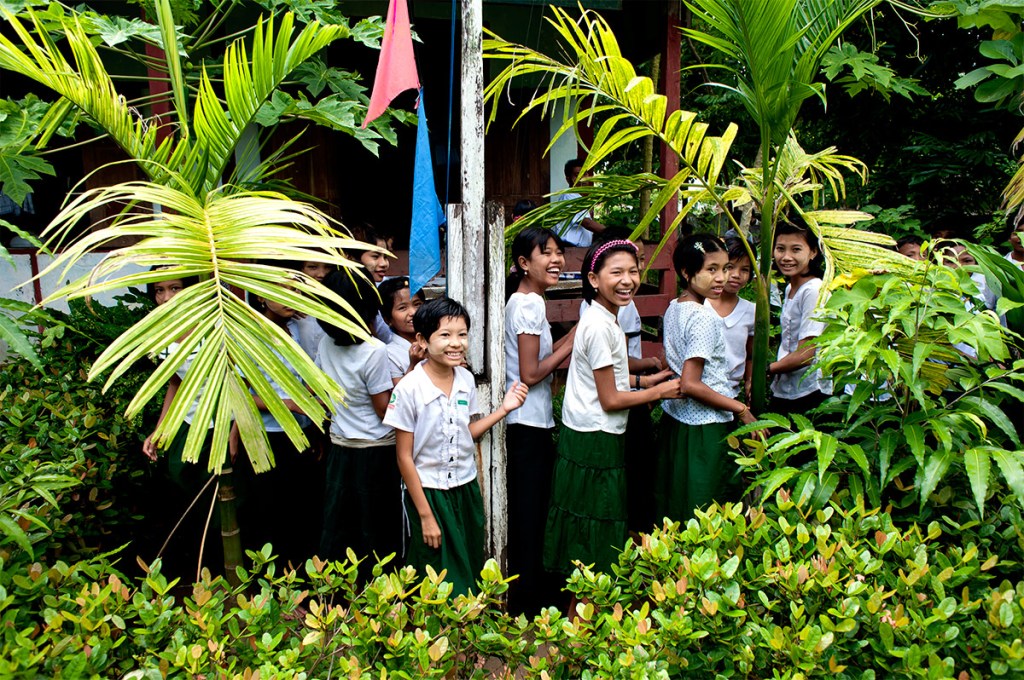
Most students enjoy a break

A short boat ride from Sittwe in Myanmar’s Rakhine State lies Wabo village. The settlement is known as the “weaving village” and here you’ll see women working hard at looms in the sheltered areas located below the ground floors of their stilted homes. Wabo is famous for the design and quality of its longyis, the traditional, wrap-around garment still worn by a majority of Myanmar’s inhabitants. While walking around the village—it was in 2008—I came upon this school, and the kids had just been let out for a short spell. There was something about the school’s wooden structure and the children with their smiles, framed within a break in the surrounding lush foliage, that made this, for me, a memorable shot.
Mrauk-U

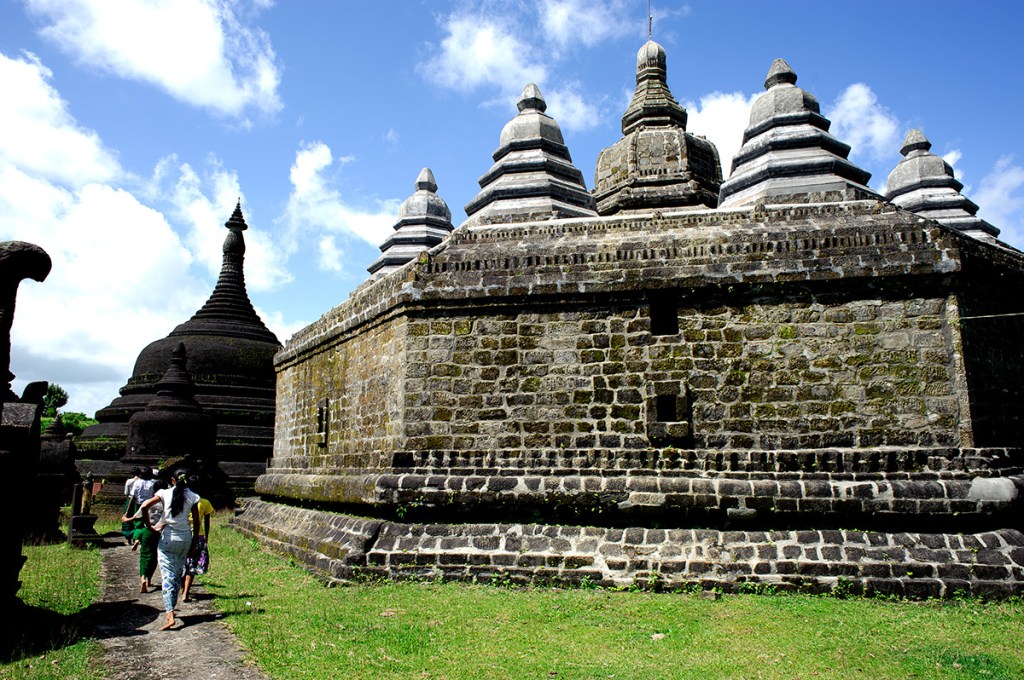
Mrauk-U differs from the older, regional temple-complex centers it’s sometimes compared to. Unlike Angkor Wat, it was never completely abandoned to the elements as it hosts a rural population who live amongst the remains of the past. And unlike Bagan, those local people weren’t booted out to make way for what Myanmar’s military junta thought a potential UNESCO world heritage site and tourist attraction should look like. Successive Myanmar governments have wanted World Heritage status for Mrauk-U and a decision was to be rendered this year. However in light of the current coup and violence against anti-junta demonstrators, that might well be on hold. Mrauk-U and this building (Shittaung Temple) are located within Rakhine State, a region that’s been in turmoil for some time. In 1977, hundreds of thousands of Rohingya Muslims living in the state were forced to flee for their lives after a brutal military campaign that targeted their villages. Thousands were murdered.